
Custom Mobile Apps vs Ready-Made Apps: Which Is Better?
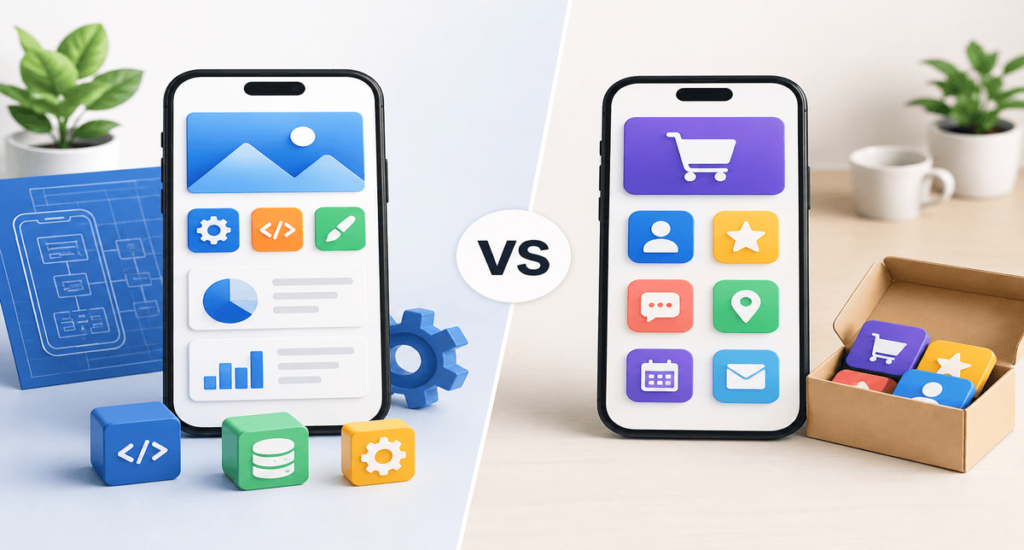
In today’s digital world, mobile apps help businesses improve customer engagement, streamline operations, and increase sales. But when planning a business app, many companies face one important question: should they invest in custom mobile app development or choose ready-made mobile apps?
Both options have advantages, depending on your budget, goals, and business requirements. As a trusted mobile app development company, Webbirth helps businesses choose and build the right app solution that supports long-term growth. In this article, we compare custom mobile apps and ready-made apps to help you make the best decision for your business.
What Is Custom Mobile App Development?
Custom mobile app development is the process of designing and building an app specifically for your business. Every feature, design element, and integration is tailored to your unique needs. Unlike pre-built solutions, custom apps are created from scratch by experienced mobile app developers to match your workflows and customer expectations.
Benefits of Custom Mobile App Development
- Fully personalized features and design
- Easy integration with existing software
- High scalability as your business grows
- Better security and data protection
- Full ownership of the application
Businesses that need unique functionality often benefit the most from custom mobile application development.
What Are Ready-Made Mobile Apps?
Ready-made apps, also called off-the-shelf apps, are pre-built software solutions that can be purchased and deployed quickly. These apps are ideal for businesses that need standard features such as booking systems, e-commerce, or customer management tools.
Advantages of Ready-Made Apps
- Lower upfront cost
- Faster deployment
- Proven functionality
- Minimal development time
Ready-made apps are suitable for startups and small businesses with limited budgets and simple requirements.
Which Option Is More Cost-Effective?
Cost is often the first factor businesses consider. Ready-made apps are generally cheaper because they are built once and sold to many customers. However, customization, licensing fees, and limitations can increase long-term expenses. Custom mobile apps require a larger initial investment, but they deliver greater value over time by reducing workarounds and providing exactly what your business needs.
Ready-Made Apps Are Better If:
- You need an app quickly
- Your budget is limited
- Standard features are enough
Custom Apps Are Better If:
- Your business has unique requirements
- You expect future growth
- You need advanced integrations
Security is a top priority
Which App Can Grow with Your Business?
Scalability is one of the biggest differences between the two options.
- Ready-made apps often have restrictions on users, features, and integrations. As your business expands, these limitations can become costly and frustrating.
- Custom apps are built to grow with your business. Your app development company can add new features, improve performance, and support increased user demand.
If long-term growth is part of your strategy, custom development is usually the better investment.
Which Offers Better Security?
Data security is essential for businesses that handle customer information, payments, or confidential data. Ready-made apps rely on generic security measures designed for many users. While this may be sufficient for basic use cases, it may not meet industry-specific requirements.
Custom mobile app development allows businesses to implement:
- Advanced authentication
- Data encryption
- Role-based access
- Compliance features
This makes custom apps a safer option for healthcare, finance, education, and enterprise businesses.
Which Provides Better User Experience?
A mobile app should be easy to use and aligned with your brand. Ready-made apps usually offer limited design customization, which can make your app look similar to competitors.
Custom apps are designed specifically for your audience. Professional mobile app developers create a seamless experience that reflects your brand and business goals. A better user experience often leads to higher engagement and customer retention.
Which Is Faster to Launch?
If speed is your top priority, ready-made apps are the quickest option. Many can be installed and configured within days. Custom apps take more time because they involve planning, design, development, testing, and deployment. However, this additional time ensures your application is optimized for performance, security, and scalability.
What About Maintenance and Updates?
All mobile apps require updates and technical support. With ready-made apps, you depend on the vendor for bug fixes and new features. If the provider stops supporting the software, you may need to migrate to another platform. With custom mobile app development, you have complete control over maintenance and updates. Your development partner can add features whenever your business needs them.
Which Is Better for Branding?
Your app is often a direct representation of your brand. Ready-made apps offer limited branding options, typically allowing only logo and color changes. Custom apps provide full design flexibility, enabling your business to create a distinctive and memorable user experience. For companies that want a strong digital identity, custom development is the superior choice.
When Should You Choose Ready-Made Apps?
Ready-made apps are ideal when:
- Your requirements are simple
- You need a quick launch
- Budget is your main concern
- Customization is not essential
Examples include small stores, local service providers, and early-stage startups testing a business idea.
When Should You Choose Custom Mobile App Development?
Custom mobile app development is the best choice when:
- Your business processes are unique
- You need integration with CRM, ERP, or payment systems
- You expect rapid growth
- Security and compliance are important
- You want complete ownership
Businesses looking for long-term value often choose custom development.
Is Custom Mobile App Development Worth It?
Yes, especially if your app plays a critical role in your business.
A custom app offers:
- Greater flexibility
- Better performance
- Enhanced security
- Improved customer experience
- Long-term scalability
Although the upfront investment is higher, the return on investment is often much greater.
How to Choose the Right Mobile App Development Company?
The success of your project depends on choosing the right mobile app development company.
Look for a company that offers:
- Experienced mobile app developers
- Android and iOS expertise
- UI/UX design services
- Transparent pricing
- Ongoing support
Webbirth provides end-to-end mobile application development services tailored to your business goals.
Conclusion:
There is no one-size-fits-all answer when comparing ready-made apps and custom mobile apps. The best choice depends on your business needs, budget, and growth plans. If you need a quick and affordable solution, ready-made apps can work well. If you want complete control, stronger security, and scalability, custom mobile app development is the smarter long-term investment. As a reliable app development company, Webbirth helps businesses build high-performance mobile applications that are secure, scalable, and designed for success. Contact Webbirth to discuss the best mobile app solution for your business.
Frequently Asked Questions:
1. Is custom mobile app development expensive?
Custom development requires a higher initial investment, but it offers better long-term value through scalability, flexibility, and ownership.
2. Are ready-made apps suitable for startups?
Yes. Startups with limited budgets and standard requirements can launch quickly using ready-made apps.
3. Which is better for long-term growth?
Custom mobile apps are better because they can be expanded and updated as your business evolves.
4. Can ready-made apps be customized?
Most ready-made apps offer basic customization, but they may not support advanced features or integrations.
5. How long does custom mobile application development take?
Development time depends on the complexity of the app, but most projects take several weeks to a few months.