
Custom Web Application Development for Complex Industries
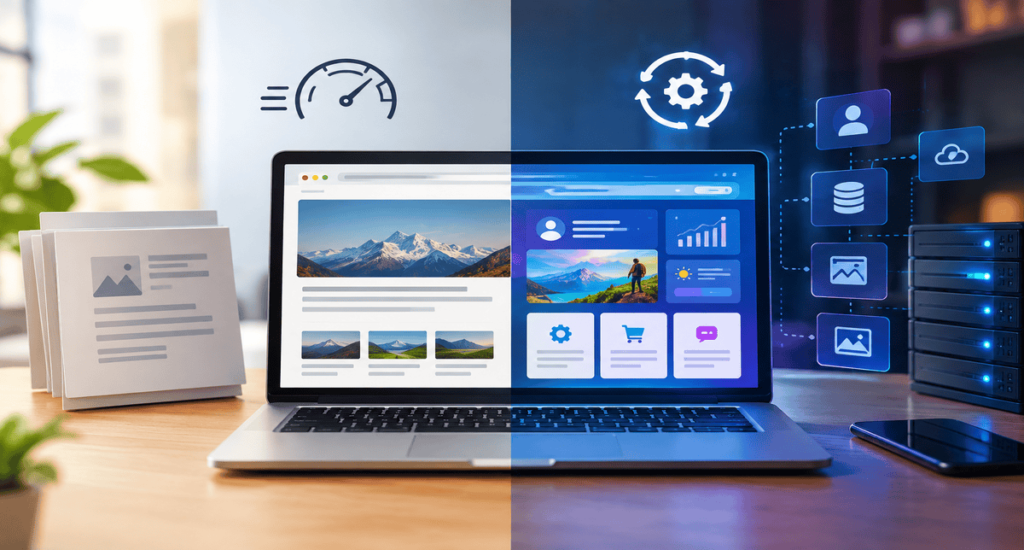
Complex industries often have business processes that cannot be managed effectively with generic software. They may require multiple user roles, large amounts of data, industry-specific workflows, integrations, automation, and strong security. This is where custom web application development can provide a practical solution.
A custom web application is built around the actual requirements of a business instead of forcing the business to change its processes to fit a ready-made platform. From internal management systems and customer portals to workflow automation and industry-specific platforms, custom applications can support different business needs through one centralized system. WebBirth provides web application development solutions designed around business requirements, helping organizations create web based applications and portals that are functional, scalable, and easier to manage.
What Is Custom Web Application Development?
Custom web application development involves creating a web-based application specifically for the processes, users, and objectives of a business. Unlike a standard website, a web application usually includes interactive features that allow users to log in, enter information, manage data, complete tasks, access dashboards, or interact with different business systems.
For example, a manufacturing company may need an application for production tracking, inventory management, supplier coordination, and reporting. A healthcare organization may require a secure platform for appointments, records, staff workflows, and communication. The application is designed according to these requirements rather than relying only on pre-built features.
Why Do Complex Industries Need Custom Web Applications?
A custom web application can be designed around these specific workflows. It can bring different processes into one platform, reduce repetitive manual work, and provide users with access to the information they need.
For example, a business may use a custom application to:
- Manage customers and internal users
- Automate approval workflows
- Track orders, projects, or operations
- Generate business reports
- Manage inventory and records
- Connect different software systems
- Provide customer or employee portals
- Control access based on user roles
The objective is not simply to build more software. It is to create a system that supports how the business actually operates.
How Can Web Application Development Support Complex Workflows?
Complex workflows often involve several steps before a task is completed. When these steps are handled manually through spreadsheets, emails, or disconnected systems, information can become difficult to track. Web application development can bring these workflows into a structured digital environment. Each stage can be configured according to business rules, with appropriate users receiving access to the tasks or information relevant to them.
For example, a request could move from submission to review, approval, processing, and completion within the same application. Notifications, status updates, and records can help teams understand where each task stands. This can make processes easier to monitor while reducing unnecessary duplication of work.
What Features Should a Custom Web Application Include?
The features depend on the industry and business requirements. A good application should focus on functionality that solves actual business problems rather than adding features simply because they are available.
Common features may include:
User Roles and Access Control
Different employees, managers, administrators, customers, and partners may require different levels of access. Role-based permissions can help ensure that users see and manage only the information relevant to their responsibilities.
Dashboards and Reporting
Dashboards can bring important information into one place. Businesses can use them to monitor operational data, track progress, review performance, and generate reports.
Workflow Automation
Repeated tasks can often be automated through predefined workflows. This can include approvals, notifications, status changes, assignments, and other routine processes.
API and Third-Party Integration
Complex businesses often use multiple systems. APIs can allow applications to communicate with external platforms and exchange information where appropriate. MDN explains that APIs provide ways for software components and services to interact with one another.
Data Management
A custom application can provide a centralized environment for managing business information. Search, filtering, categorization, record management, and reporting can make large amounts of data easier to work with.
How Does Custom Application Development Improve Scalability?
Business requirements can change as an organization grows. More customers, employees, transactions, locations, and data can create new demands on an application. A scalable application should be planned with future requirements in mind. This may involve selecting an appropriate architecture, designing databases carefully, separating application components where necessary, and preparing the system for additional users or functionality.
Instead of rebuilding an entire system whenever the business changes, a well-planned custom web application development approach can allow new features and integrations to be introduced over time. Scalability should therefore be considered during the planning and architecture stage rather than treated as an afterthought.
How Important Is Security in Web Applications?
Security is particularly important when a web application handles customer information, financial data, business records, employee information, or other sensitive content. Security should be considered throughout the development process. Authentication, authorization, input validation, secure data handling, access controls, session management, and appropriate testing are some of the areas that may need attention.
A secure application also requires ongoing maintenance. Updating dependencies, monitoring the application, reviewing access permissions, and addressing identified vulnerabilities can help maintain security as the system evolves.
How Can APIs and Integrations Help Complex Businesses?
Many organizations already use accounting software, CRM platforms, payment systems, ERP solutions, communication tools, or other third-party services. A new application does not always need to operate separately from these systems. Through appropriate APIs and integrations, a custom application can communicate with other platforms and reduce the need for users to enter the same information repeatedly.
For example, an application could connect customer information with a CRM or send transaction information to another business system. The exact integration depends on the platforms involved and the business requirements. This is one reason why custom web application development services can be useful for organizations with specialized technology environments.
What Industries Can Use Custom Web Applications?
Custom applications can be developed for many industries because the software can be adapted to different workflows.
Some examples include:
- Healthcare: appointment systems, patient portals, internal workflows, and administrative platforms
- Manufacturing: production tracking, inventory, supplier management, and quality workflows
- Logistics: shipment management, tracking, scheduling, and operational dashboards
- Finance: internal management systems, reporting platforms, and customer portals
- Education: learning platforms, administration systems, student portals, and communication tools
- Real Estate: property management, lead management, customer portals, and project tracking
- Retail: inventory, order management, customer systems, and business dashboards
- Professional Services: project management, client portals, workflow automation, and reporting
The application should always be designed around the actual processes of the organization rather than simply copying features from another industry.
How Does the Development Process Work?
A structured development process helps reduce misunderstandings and unnecessary changes during a project.
1. Requirement Analysis
The first stage is understanding the business, its users, existing systems, problems, workflows, and objectives. This helps define what the application actually needs to accomplish.
2. Planning and Architecture
The development team determines the application’s structure, technology requirements, database approach, integrations, security requirements, and scalability considerations.
3. UI/UX Design
The interface is designed around the needs of different users. A complex application should still be easy to navigate, with clear screens, logical workflows, and accessible information.
4. Development
The planned features are developed and connected with the required database, APIs, integrations, and backend systems.
5. Testing
The application should be tested for functionality, usability, performance, compatibility, and security. Testing helps identify issues before the application is introduced to users.
6. Deployment and Maintenance
After deployment, the application may require monitoring, updates, improvements, security fixes, and new features as business requirements change.
Why Choose Custom Web Application Development Services?
The main benefit of custom development is flexibility. Instead of adapting an organization’s workflow to a generic tool, the application can be built around the organization’s actual requirements. This can be especially useful when a business needs specialized workflows, multiple integrations, unique dashboards, custom permissions, or industry-specific functionality.
Custom development can also provide greater control over future improvements. As requirements change, additional modules or integrations can be considered as part of the application’s ongoing development. For businesses looking for a web application development company, the important consideration is understanding the business problem before deciding on the technology or features.
What Should You Consider Before Building a Custom Web Application?
Before beginning development, businesses should clearly define what they want the application to achieve.
Consider questions such as:
- What business problem will the application solve?
- Who will use the application?
- What workflows need to be automated?
- What information needs to be stored and managed?
- Which existing systems need integration?
- What security and access requirements are involved?
- How many users may use the application?
- What features may be required in the future?
Clear answers can help create a practical development plan and avoid unnecessary functionality.
Build a Web Application Around Your Business Requirements
Complex industries need technology that can adapt to their processes rather than create additional complexity. Custom web application development can help businesses bring specialized workflows, data, users, integrations, and automation together within a single web-based platform. From industry-specific applications to enterprise portals and workflow systems, the right solution starts with understanding the business requirement. The technology, features, and architecture can then be selected according to those needs.
WebBirth provides web application development and custom web app solutions for businesses across different industries. Explore WebBirth’s web application development services or view the WebBirth portfolio to learn more about its web application and digital development work.
Frequently Asked Questions:
1. What is the difference between a website and a web application?
A website generally provides information to visitors, while a web application allows users to interact with data and perform specific tasks. A web application may include dashboards, user accounts, workflows, data management, and integrations.
2. How long does custom web application development take?
The timeline depends on the application’s complexity, number of features, integrations, user roles, design requirements, testing, and technology stack. A simple application may take considerably less time than an enterprise platform with multiple integrations and complex workflows.
3. Is a custom web application suitable for small businesses?
Yes. A custom application can be useful when a small business has specific workflows that cannot be handled efficiently by existing software. However, the scope should match the current business requirements and budget.
4. Can a web application integrate with existing software?
Yes. Depending on the available APIs and technical capabilities, a web application can integrate with CRM, ERP, payment, accounting, communication, and other third-party systems. APIs are commonly used to allow different software systems to communicate.
5. Can a custom web application be scaled later?
Yes. Scalability can be planned into the architecture so that additional users, features, integrations, or data can be accommodated as the business grows. The exact approach depends on the application’s architecture and expected requirements.